Interrupted lung development
Very preterm birth occurs during rapid growth of the airways, air sacs and pulmonary blood vessels.
Babies born very preterm are at increased risk of chronic lung disease because their lungs are still developing and can be exposed to inflammation, respiratory support and infection during a critical period of lung growth.
AZTEC was designed to test whether azithromycin could target both inflammation and organisms such as Ureaplasma, and thereby improve important lung outcomes.
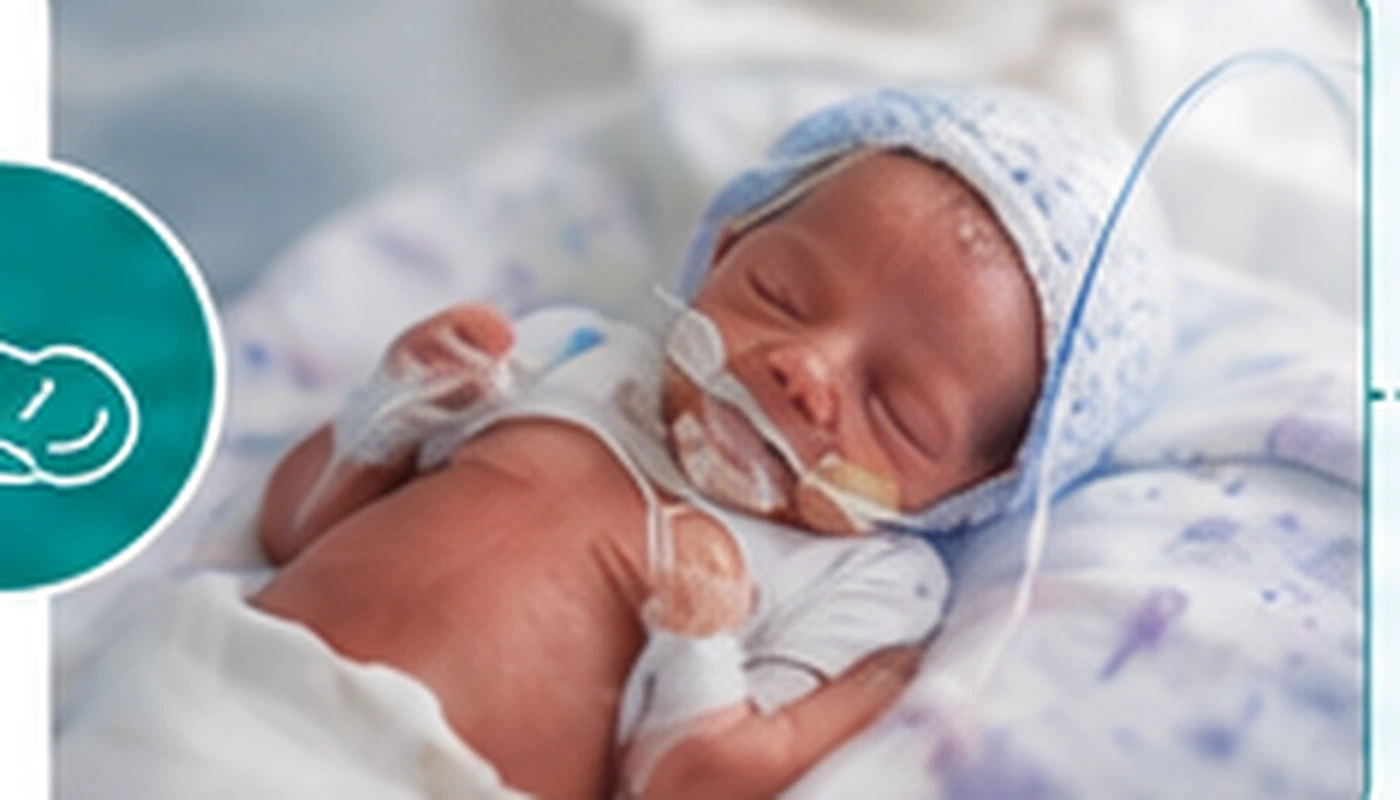
Chronic lung disease of prematurity, often termed bronchopulmonary dysplasia (BPD), remains one of the most important complications of very preterm birth. Some affected babies need oxygen or respiratory support for prolonged periods and respiratory problems can persist after discharge.
Very preterm birth occurs during rapid growth of the airways, air sacs and pulmonary blood vessels.
Inflammatory pathways are implicated in lung injury and impaired lung development.
Ureaplasma and other organisms may influence inflammatory responses and risk of chronic lung disease.
AZTEC was a multicentre, randomised, double-blind, placebo-controlled trial. Babies were allocated to azithromycin or placebo, with treatment started early after birth and given for 10 days.
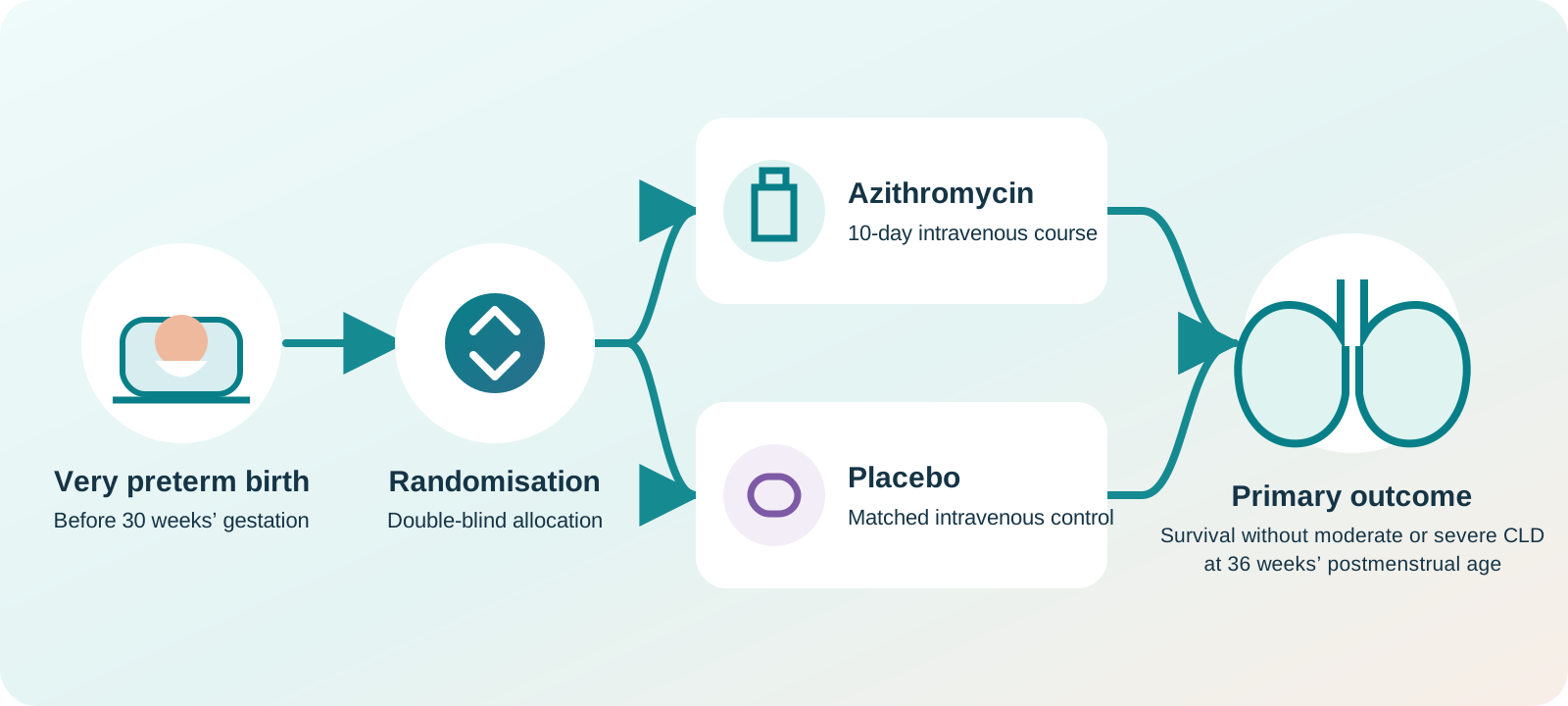
Infants born before 30 weeks’ gestation receiving neonatal intensive care were considered against the trial eligibility criteria.
Intravenous azithromycin was compared with a matched placebo so families and clinical/research teams remained blinded to treatment allocation.
The primary outcome was survival without physiologically defined moderate or severe chronic lung disease at 36 weeks’ postmenstrual age.
AZTEC incorporated microbiological and laboratory studies alongside the clinical trial. Respiratory and stool samples enabled investigators to examine Ureaplasma, inflammatory pathways, the microbiome and antimicrobial resistance.
Where possible, small airway samples were obtained during routine neonatal care and used to study organisms and inflammatory mediators.
Gut microbiology and macrolide resistance were investigated, providing important information on antimicrobial-resistance consequences of neonatal antibiotic exposure.
799 babies were recruited across 28 neonatal intensive care units. The trial was led from Cardiff University and coordinated by the Centre for Trials Research, with collaborators from neonatal centres and universities across the UK.
Professor Sailesh Kotecha
Department of Child Health, Cardiff University
Centre for Trials Research
Cardiff University
Co-applicants and investigators included teams from Newcastle, Leicester, Liverpool, UCL, Imperial College London and participating neonatal units throughout the UK.
AZTEC was funded by the NIHR Health Technology Assessment Programme (HTA Project 16/111/106) and registered as ISRCTN11650227.
The trial received the relevant UK research ethics, Health Research Authority and medicines-regulatory approvals.