The clinical problem
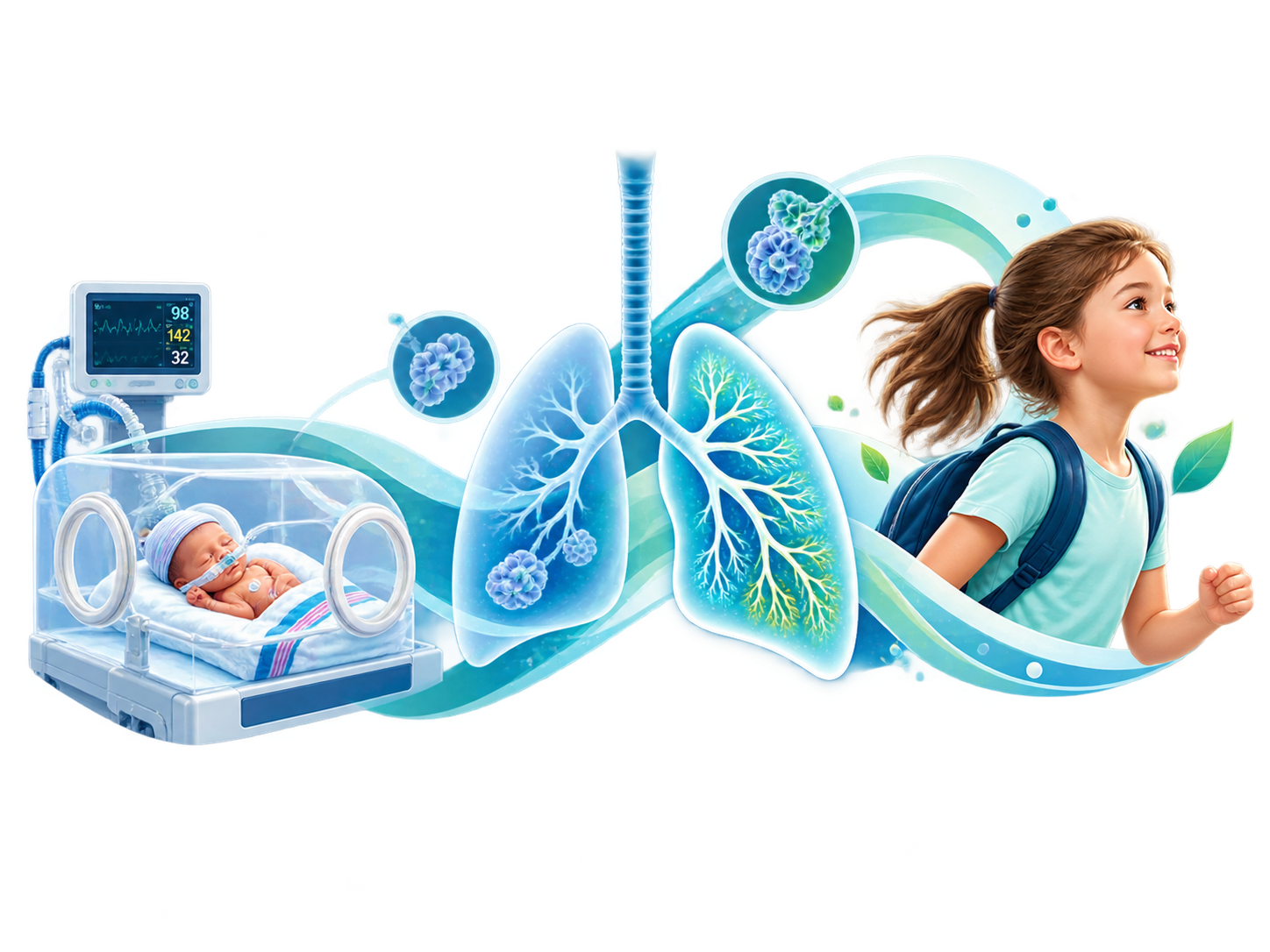
Despite major advances in neonatal care, chronic lung disease—also called bronchopulmonary dysplasia (BPD)—remains a common complication of very preterm birth and can be associated with respiratory morbidity after discharge.
A UK-wide clinical trial investigating whether azithromycin given soon after birth could improve outcomes for babies born very preterm.

Babies born before 30 weeks’ gestation are at high risk of chronic lung disease of prematurity because lung development is interrupted at a vulnerable stage. Respiratory support, inflammation and microorganisms including Ureaplasma may all contribute to lung injury.
Despite major advances in neonatal care, chronic lung disease—also called bronchopulmonary dysplasia (BPD)—remains a common complication of very preterm birth and can be associated with respiratory morbidity after discharge.
AZTEC tested whether early azithromycin, an antibiotic with antimicrobial and anti-inflammatory effects, could improve survival without physiologically defined moderate or severe chronic lung disease.
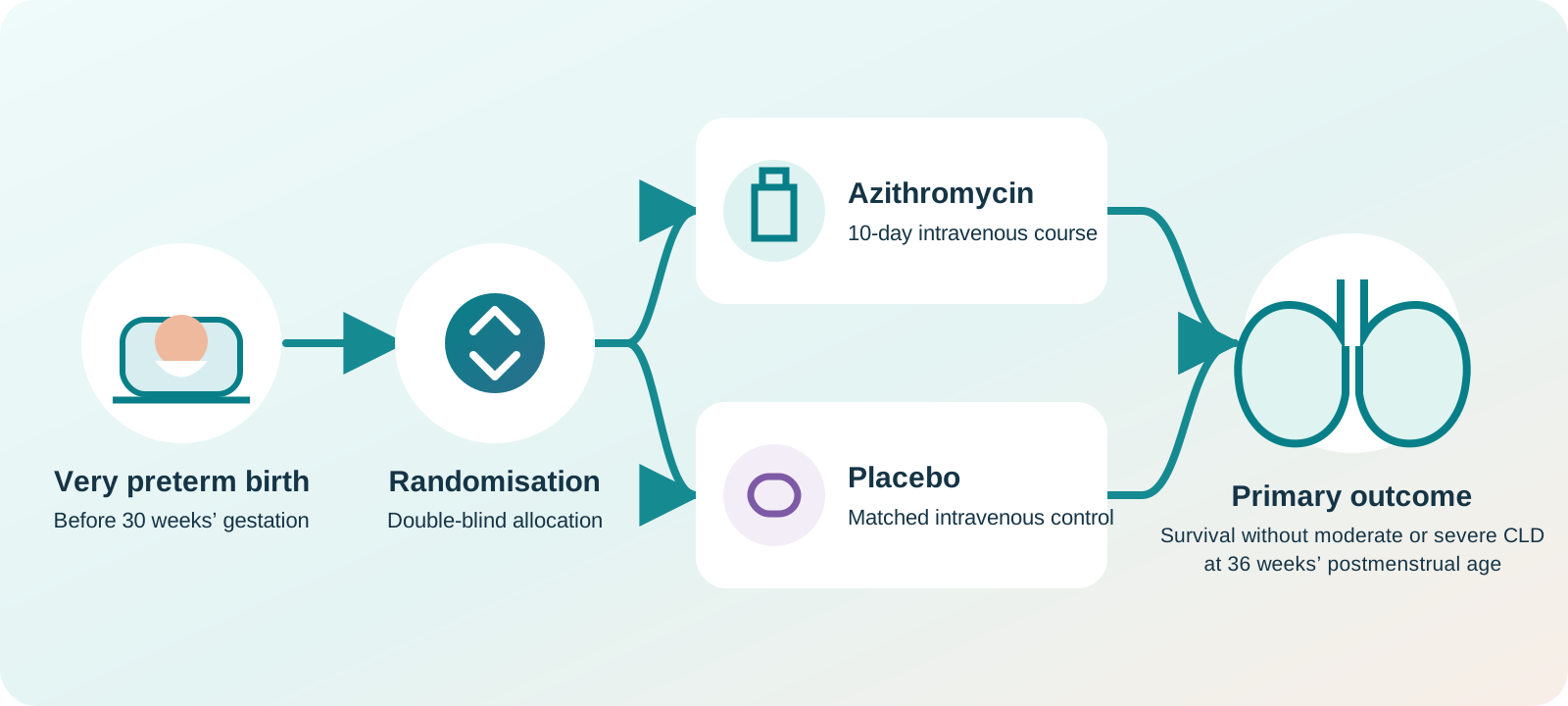
Recruitment finished in March 2022, above the original target of 796 infants, despite pauses and disruption during the COVID-19 pandemic. The published AZTEC-FU protocol describes recruitment from 28 tertiary neonatal units and approximately 77 step-down units across the UK, reflecting the scale of the national collaboration.
A visual explanation of why the trial was undertaken, what treatment was tested and what the main trial found.
The video does not autoplay.
AZTEC follow-up examines respiratory health, growth, development and safety beyond the neonatal admission. Together with BALLOON and RHiNO, it forms part of a broader programme following respiratory health from birth through childhood and beyond.